7 Common Mistakes to Avoid in Multi-Unit Design in Melbourne
Learn the key pitfalls that can derail a multi-unit development project in Melbourne and how to avoid them with expert-backed guidance
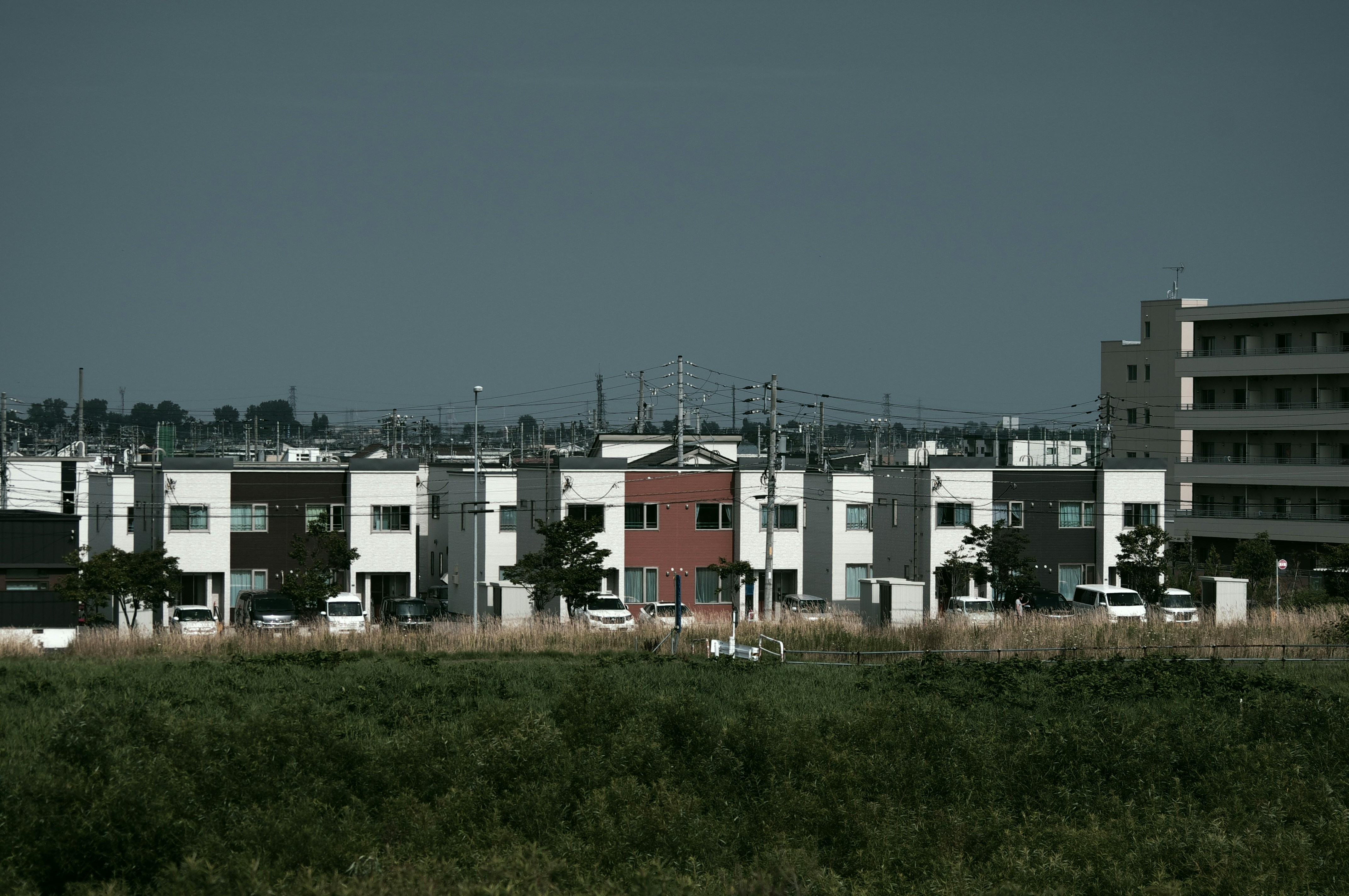
Designing and developing multi-unit dwellings in Melbourne is an exciting opportunity, but it comes with challenges. Whether you're a first-time developer or adding to your portfolio, avoiding key design mistakes can save you significant time and money—and preserve your project's long-term value.
At Gidaya Group, we've seen how avoidable missteps during the design phase can snowball into costly delays and permit rejections. This article walks you through seven common multi-unit design mistakes in Melbourne—and how to avoid them.
1. Ignoring Site-Specific Constraints
Melbourne's diverse topography and zoning overlays demand a site-specific approach. Mistakes like overdevelopment on sloping land or disregarding flood-prone zones can lead to expensive remediation or VCAT disputes.
Avoid it: Engage a town planner and building designer early to review overlays, setbacks, easements, and slope conditions. Always cross-check with the local council’s planning scheme.
2. Overlooking Solar Access and Natural Light
Multi-unit dwellings must optimise solar access, especially under ResCode standards. Poor orientation can lead to cold, dark interiors and buyer dissatisfaction.
Avoid it: Prioritise northern orientation for living areas and courtyards. Maximise window-to-wall ratios and ensure upper units don’t overshadow ground-level spaces.
3. Cramped Internal Layouts
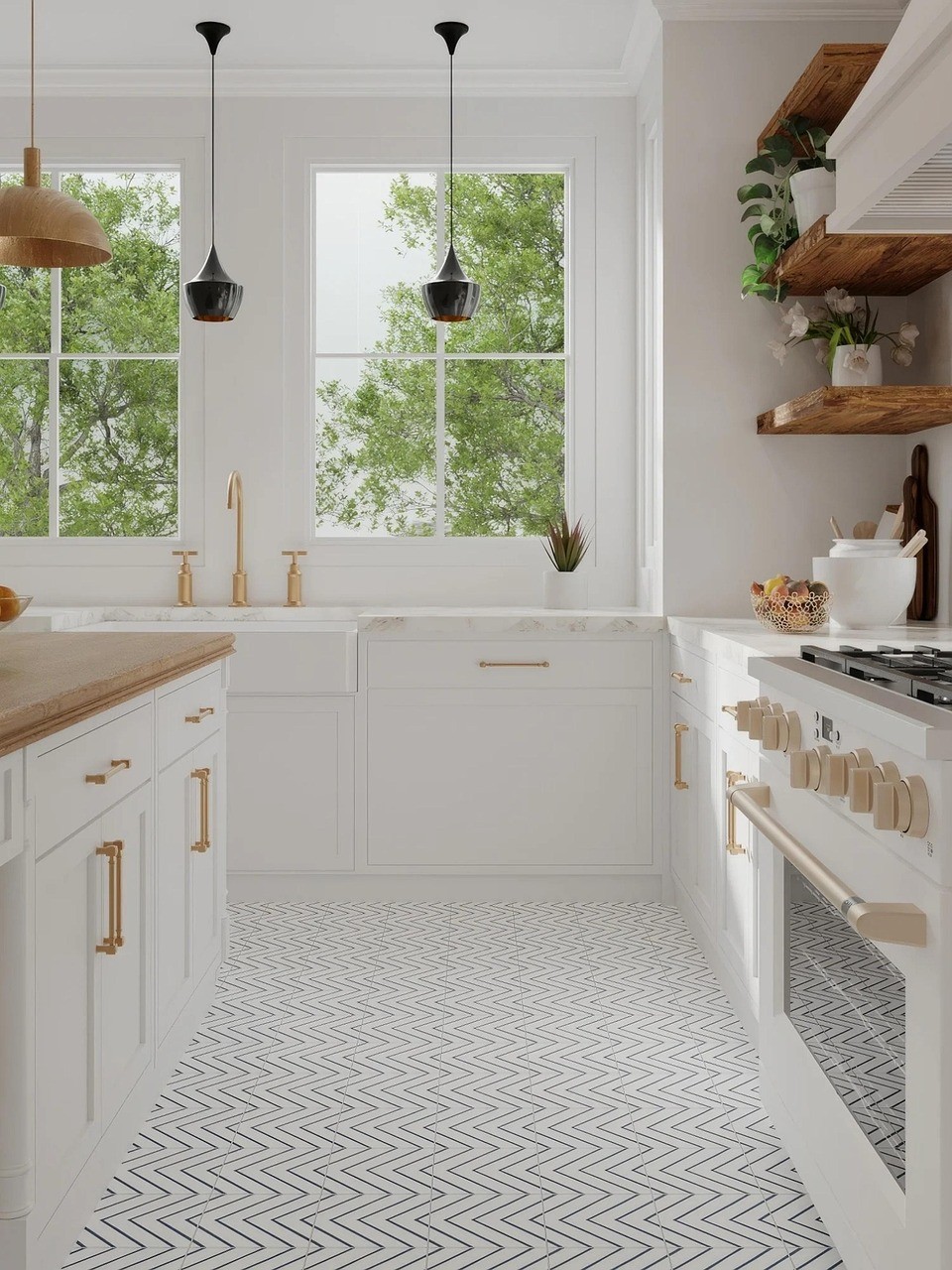
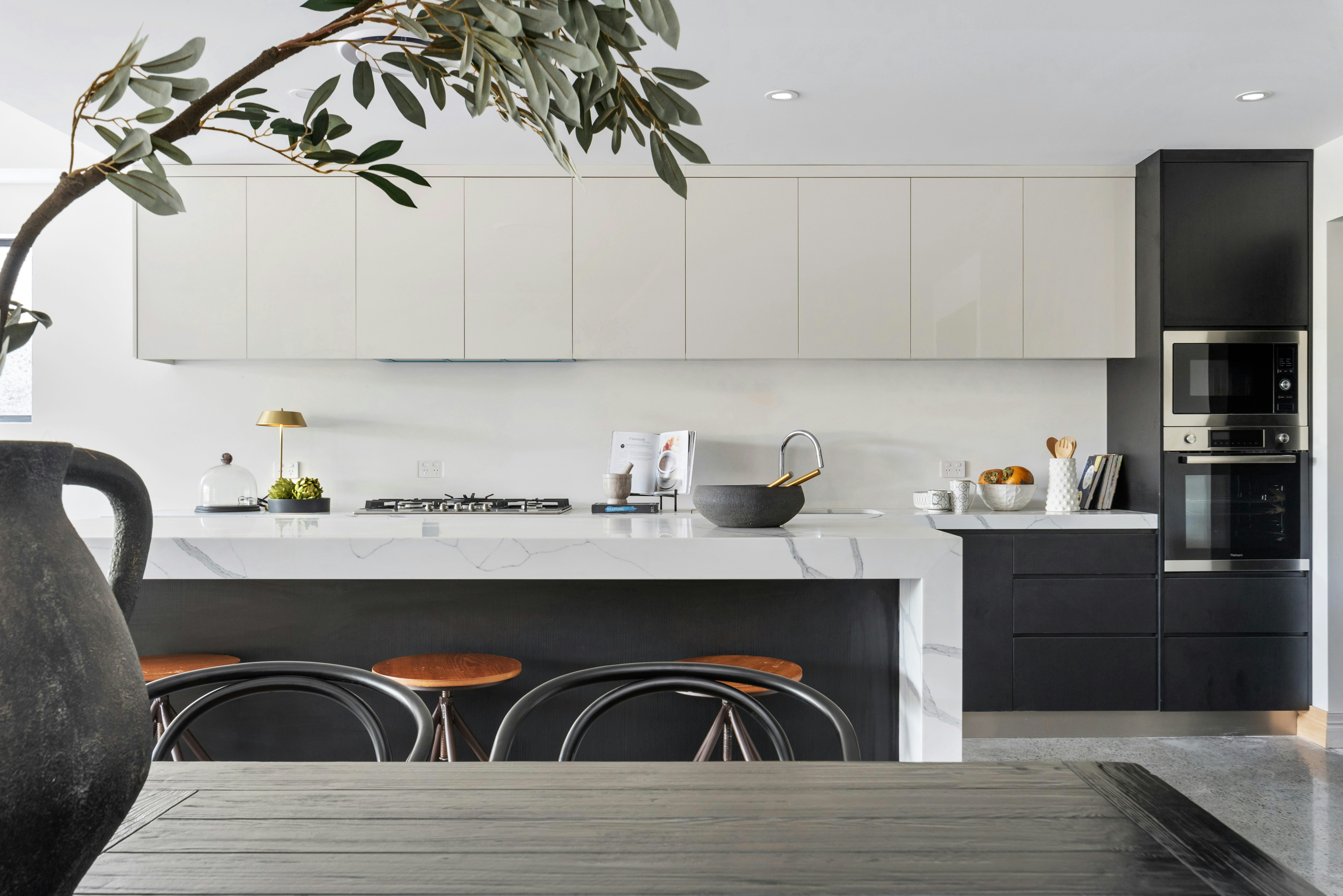
Overpacking too many dwellings on a block often results in awkward room sizes, poor circulation, and tight kitchens. It affects valuation and tenant satisfaction.
Avoid it: Design for liveability, not just yield. Benchmark layouts against successful projects. Use 3D modelling to test flow, storage, and usable space.
4. Non-Compliance with Planning Standards
Melbourne’s planning system is layered: ResCode, zoning overlays, and local policies. Non-compliance with private open space or height limits will delay permits.
Avoid it: Work with a building designer or architect familiar with local council planning policies. Allow time for feedback loops and amendments.
5. Generic Facade Design
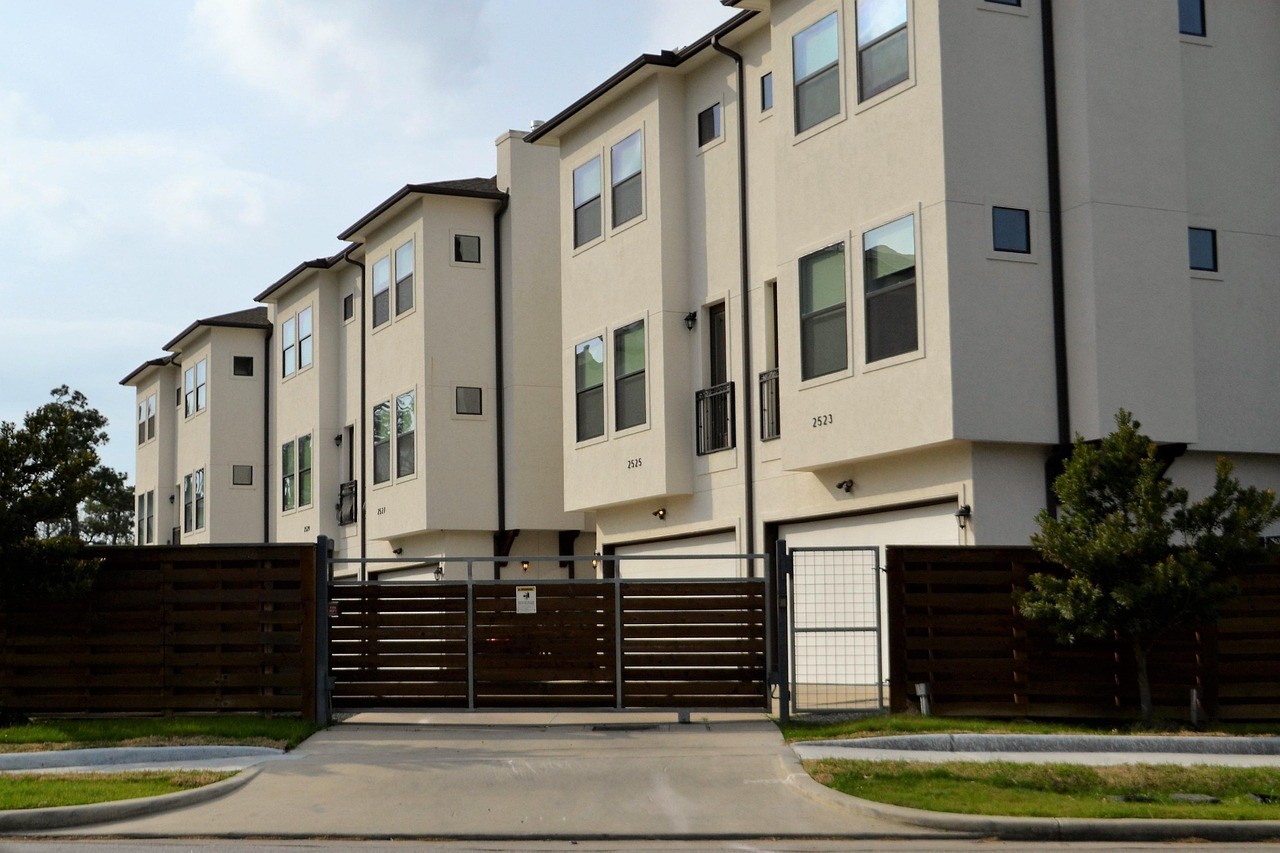
A boxy, monotonous design without character will underperform in Melbourne’s competitive housing market.
Avoid it: Incorporate modern yet contextual facades. Use mixed materials, balcony articulation, and integrated landscaping to soften the streetscape.
6. Ignoring Parking and Access Requirements
Inadequate parking provision or awkward access points can kill a development application. Councils are especially strict on this in medium-density zones.
Avoid it: Refer to Clause 52.06 of the Victorian Planning Provisions. Ensure each unit has compliant car parking and efficient access turning circles.
7. Underestimating Buildability and Construction Logic
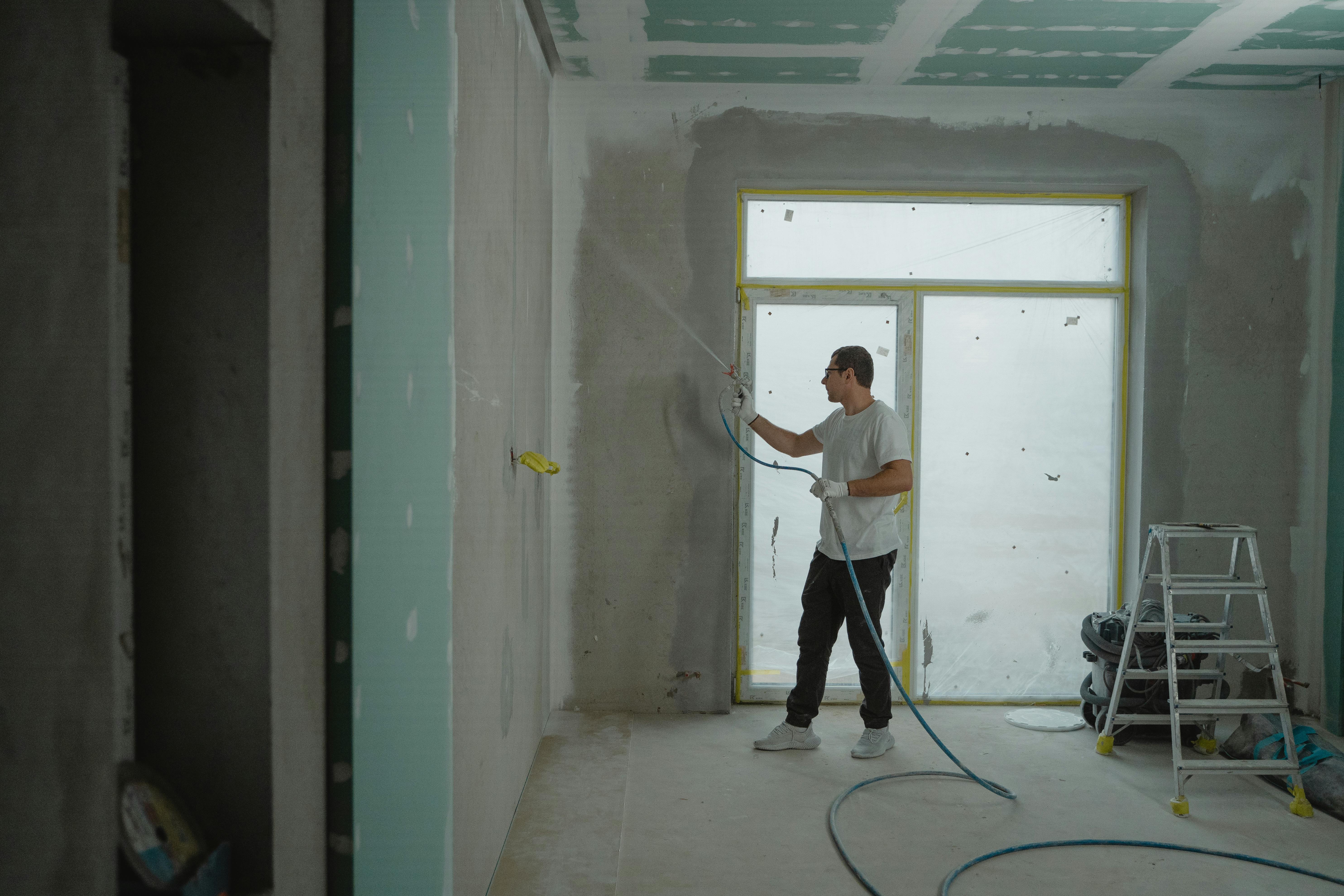
Designs that ignore site access, structural spans, or modular buildability increase costs or delay construction.
Avoid it: Collaborate with your builder during the design phase. At Gidaya Group, we use value-engineering workshops to refine plans for practicality without compromising on design.
Final Thoughts: Design Smart, Build Smarter
Designing multi-unit developments in Melbourne isn’t just about cramming units on a lot. It’s about understanding planning frameworks, building for the long term, and creating homes people want to live in.
Avoid these seven mistakes and you’ll fast-track your approvals, control construction costs, and deliver better homes. Whether you’re designing a duplex or a multi-unit townhouse project, Gidaya Group brings deep Melbourne-specific experience to ensure design excellence and commercial viability.
Need help avoiding costly design pitfalls? Contact Gidaya Group for a consult tailored to your development goals.