Building on a Heritage Overlay in Melbourne — What You Can and Can't Do
Building or renovating on a heritage overlay block in Melbourne in 2026. What's possible, what isn't, and the council conversation that decides everything.
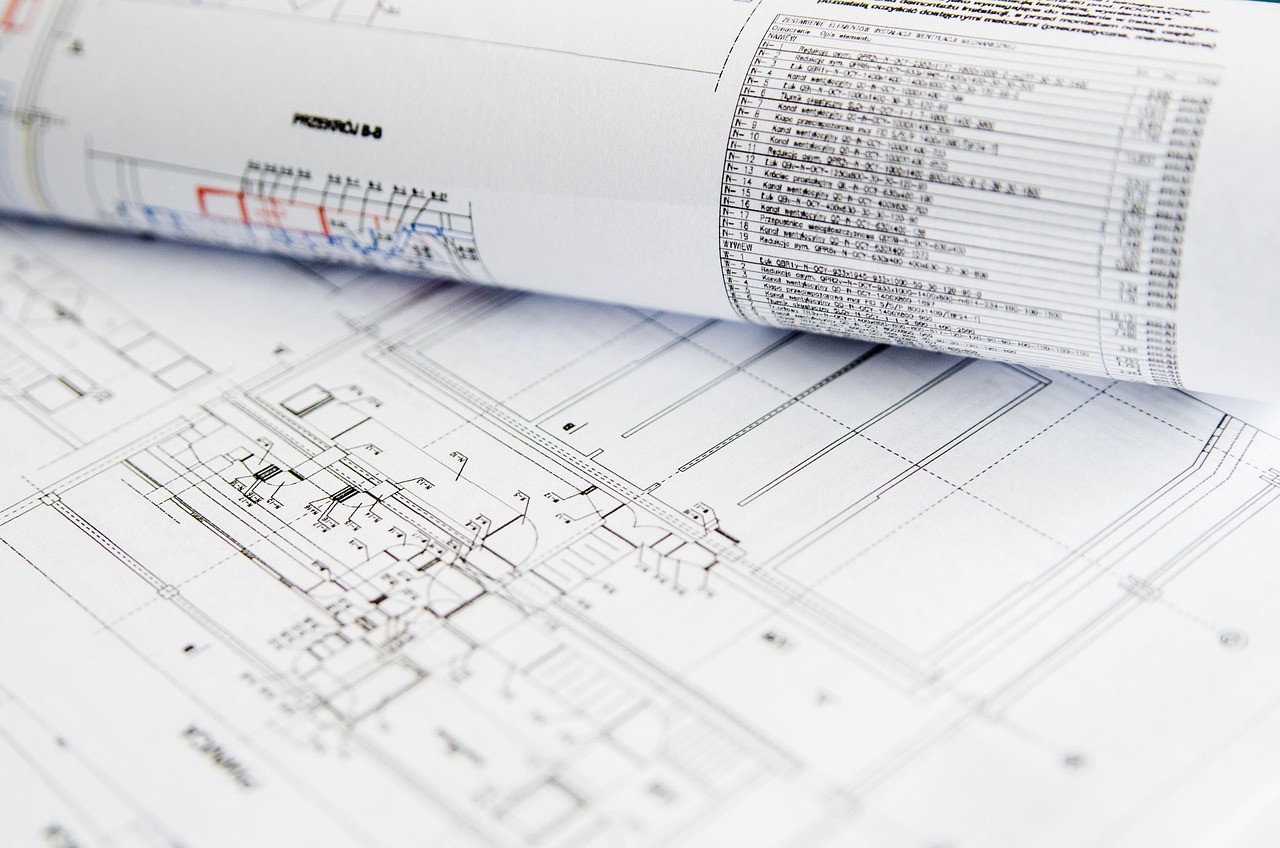
If your dream home or renovation sits on a block with a heritage overlay, three rules hold from the first conversation. The overlay isn't going away. The council planner is the most important person in the project. And the building you can deliver is the building the planning permit allows, not the one the architect drew first.
We've worked on heritage-overlay sites across inner Melbourne for more than a decade. The overlay is rarely the no it sounds like. It's a constraint that shapes the design rather than killing it. Below is the operational map of what's typically possible, what isn't, and the sequence that turns a heritage-overlay site into a finished home.
What a heritage overlay actually is
A heritage overlay is a planning control applied to lots, streetscapes, or precincts identified by a council as having heritage significance. The overlay is recorded in the local planning scheme and shows on a Section 32 vendor's statement at sale. The purpose is to retain the elements of the building, the streetscape, or the precinct that contribute to that significance.
Significance is a planning word with a specific meaning. The council's heritage citation document tells you which elements of the building are significant. The front facade. The roof line. The original windows. The chimney. The internal joinery. Any combination. The citation is the document you read first because it tells you what you must keep and what you can change.
What you can usually do
Internal alterations to non-significant rooms. The internal layout of a heritage home is rarely the significant element. Bathrooms, kitchens, ensuites, walk-in robes, joinery, internal walls. These can typically be reconfigured freely subject to building regulations, not heritage planning.
Rear extensions. A rear extension that's not visible from the street, set back from the side boundaries, and sympathetic in scale and material to the original home is the most common heritage-overlay project. The set-back distance and the height limit are negotiable with the planner.
Sympathetic upper-storey additions. An upper storey set back from the front parapet line and not visible from the street at a viewing point thirty to forty metres away is often achievable. The planner will ask for shadow diagrams and a streetscape rendering.
Restoration of original elements. Original timber windows that have rotted through can be replaced like-for-like with re-milled timber sections matching the original profile. Original chimney stacks can be rebuilt.
What you usually can't do
Demolition of the front facade. Almost never approved on a heritage-overlay block. The facade is the contribution to the streetscape, and the streetscape is what the overlay protects.
Visible-from-street upper-storey additions that change the proportions. The planner will refuse. The neighbours will object.
Modern rendered finishes on the front elevation when the original was face brick, weatherboard, or timber. Materially incompatible. Refused.
Removal of original chimneys, parapets, or finials when the citation lists them as significant. Refused.
Knockdown rebuild on the same footprint. Almost always refused on a heritage-overlay block. If knockdown is the brief, the heritage-overlay block is probably not the right block.
The council conversation
Every heritage-overlay project starts with a pre-application meeting at the relevant council. Boroondara, Stonnington, Glen Eira, Yarra, Melbourne, Port Phillip, Hobsons Bay. Each council has its own heritage advisor, its own informal conventions, and its own threshold for what's considered sympathetic.
The pre-application meeting is free. Bring concept drawings, the heritage citation document, and a list of the moves you're proposing. The planner will tell you which moves are likely to pass and which won't. We've sat in pre-application meetings where the planner's first sentence saved the project six months and $30,000. We've also sat in meetings where the planner's first sentence said the proposed scope was unworkable and the project pivoted to a different brief. Either outcome is better than spending six months drafting plans the planner won't approve.
The sequence that works
For owners considering a heritage-overlay project the sequence we recommend.
One. Pull the heritage citation from the council planning scheme website before doing anything else. The citation tells you what's significant.
Two. Engage a heritage architect or a builder with heritage experience. Not a generalist. A heritage-overlay project asks for design language the generalist often gets wrong.
Three. Pre-application meeting at the council. Concept drawings only. Free.
Four. Refine the design based on the planner's feedback.
Five. Submit the planning application. The full application typically takes two to four months for council to assess on a heritage-overlay site, longer if neighbours object.
Six. Address objections and conditions. Most heritage-overlay applications attract one to three planning conditions.
Seven. Once the planning permit is in hand, the build moves into the same sequence as any custom home. Site preparation, frame, lockup, fit-out, handover.
The renovation work we've done on heritage-overlay homes follows this sequence every time. Project Dunbar wasn't a heritage-overlay site, but the design language and the structural-engineer conversation followed a similar discipline. Project Talintyre was an inner-Melbourne renovation with the kind of layered respect for the original home that heritage-overlay work demands.
What it costs
A heritage-overlay renovation in Melbourne in 2026 typically costs 15 to 25 percent more per square metre than a non-heritage renovation of the same scope. The premium covers the heritage-architect involvement, the longer planning timeline, the materially-compatible finishes, and the contingency for original-fabric surprises during demolition.
The cost-per-decision lens applies. The decisions that move the budget are the ones around materially-compatible cladding, original-window restoration versus replacement, original-floor restoration versus replacement, and the height and setback of the addition. The full cost framework is in The Real Cost of a Custom Home in Victoria 2026, with the heritage premium layered on top.
For owners weighing the heritage-overlay path against a knockdown on a non-heritage block, the framework is in Knockdown Rebuild vs Renovation in Victoria 2026.
The honest version
A heritage-overlay home, properly renovated, is one of the most rewarding builds we work on. The bones are usually beautiful. The street tells a story. The home gets to keep the story while becoming what the family needs now.
The owners who finish happy on these projects are the ones who treat the planning permit as the design constraint, not the design enemy.
The work is varied. The standard isn't.
Built with care.
Gidaya Group.