Knockdown Rebuild vs Renovation in Victoria 2026
hen a knockdown rebuild beats a renovation in Victoria in 2026, and the four conditions worth checking before you commit to either path.
Most builder quotes for a custom home in Victoria in 2026 land somewhere between $4,500 and $9,500 per square metre. The range is wide enough that it tells you almost nothing on its own. The real cost depends on five decisions that owners often make casually, and a sixth decision that most don't realise they're making at all.
Cost transparency is one of those phrases the industry overuses. The version we mean here is plain. Knowing what every dollar buys you, where the variability sits, and which of the variables you actually control. We've spent more than twenty-five years of combined experience building custom homes across Melbourne, Geelong, the Surf Coast, Sunbury, Bendigo and Ballarat. The conversation we have with every new client at the brief stage is the same one. Where do you want to spend, where can you save without regretting it, and where would saving today cost you ten times the difference at year fifteen.
This article walks through four lenses on cost. Per square metre is the lens most articles stop at. We then add cost-per-room, cost-per-stage, and cost-per-decision because each one tells you something the others don't.
Lens one — cost per square metre
The headline range for a 2026 Victorian custom build sits at $4,500 to $9,500 per square metre, but the spread inside that range hides as much as it reveals. A 200-square-metre family home in Brookfield with a flat block, sewer at the boundary, and a Hampton-style external palette runs at one rate. A 320-square-metre home on a sloping inner-Melbourne block with a heritage overlay, basement garage, and curtain-wall glazing on the streetfront runs at a fundamentally different rate. The number per square metre is useful only after you've defined the home you're costing.
The four variables that move the per-square-metre rate most are the site, the structural complexity, the cladding and roof system, and the fit-out tier. Each one compounds the others. A complex site with a complex structure and a premium fit-out doesn't add the three premiums together. It multiplies them.
Lens two — cost per room
Per square metre averages hide where the money actually goes. A bedroom and a kitchen of the same floor area cost wildly different amounts. The decisions that matter at this stage are best understood by walking through the home one space at a time.
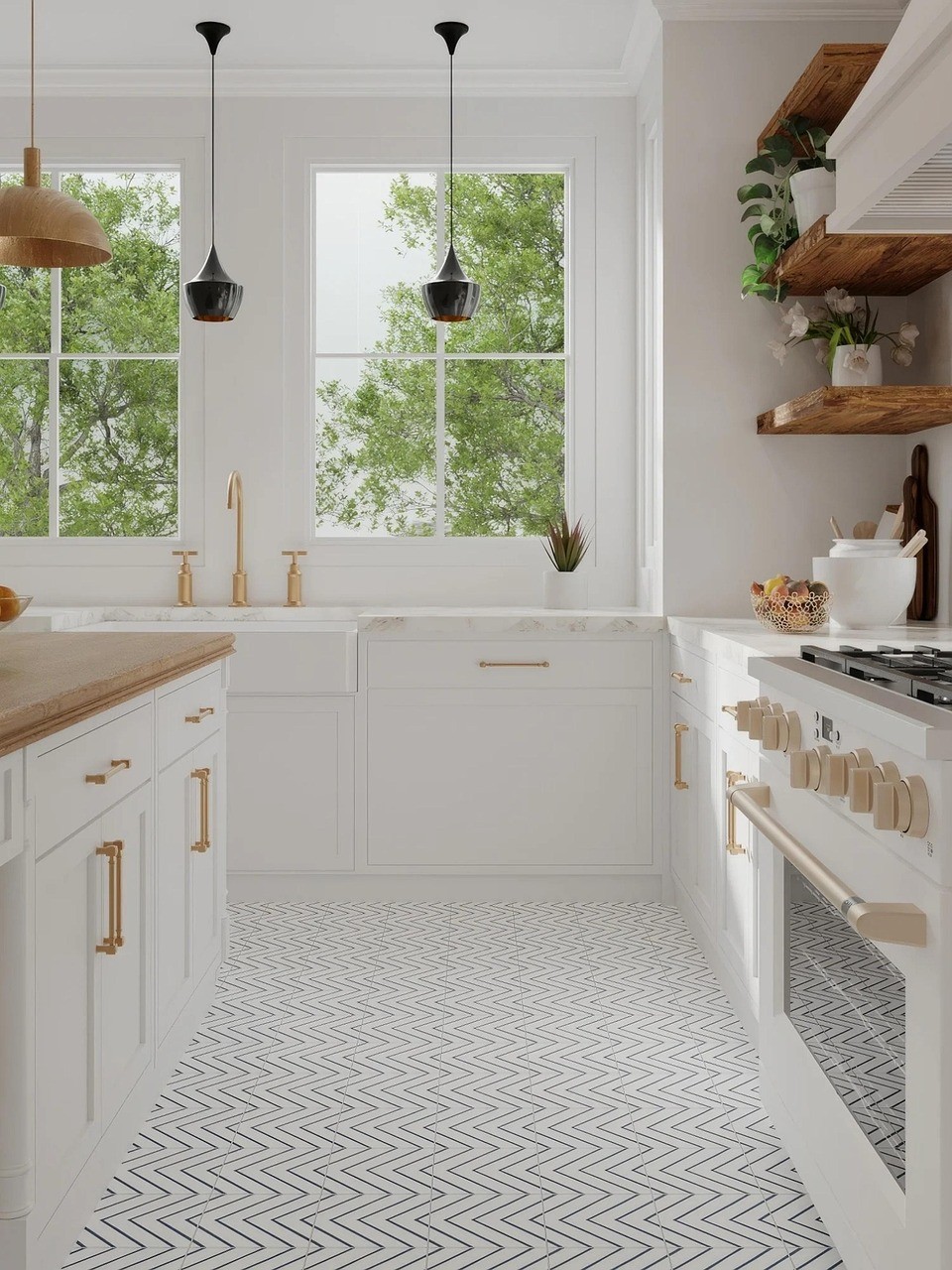
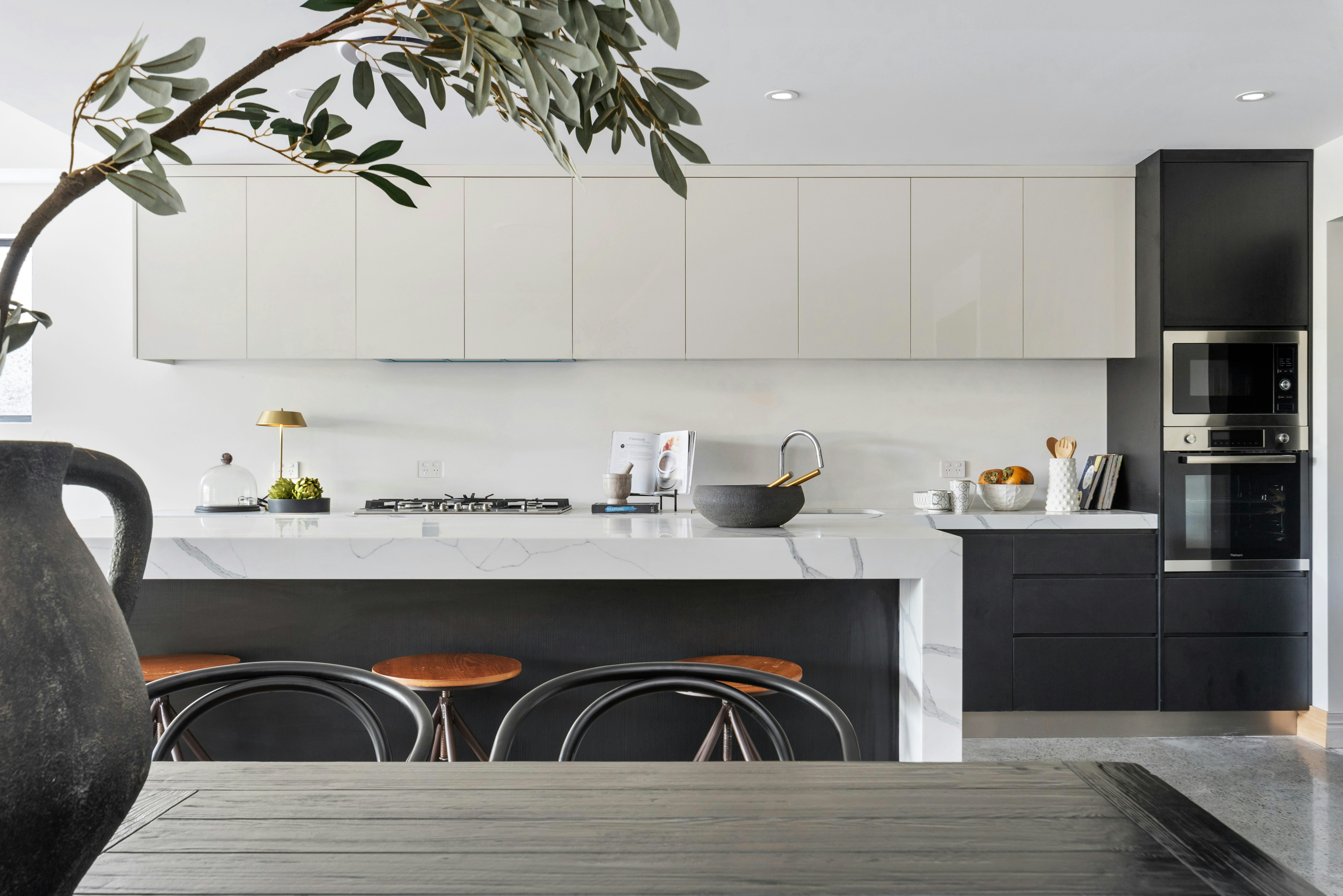
The kitchen is the single most expensive room per square metre in almost every custom home. Joinery, stone, appliances, splashback, lighting, and sometimes a butler's pantry behind it. We typically see kitchens running between $35,000 and $90,000 in Victorian custom homes in 2026. The waterfall edge on the island, the appliance tier, the depth of the cabinetry behind the rangehood. Each is a budget decision worth resolving on screen during refinement, not on site at the cost of a variation.
The master suite usually comes in second. Custom joinery, ensuite tiling, walk-in robe build, lighting and electrical, sometimes a window seat. $25,000 to $60,000 is the typical range.
Bathrooms beyond the master ensuite. Each one. $15,000 to $35,000 depending on tile spec and tapware family.
Bedrooms. Comparatively cheap. $4,000 to $10,000 each, mostly framing, plaster, paint, flooring, and electrical.
Living and dining. Spend rises with feature-wall work and ceiling detail. $8,000 to $25,000 per zone.
External works. Driveway, landscaping, fencing, retaining walls. Often the line owners cut last but should plan first. $20,000 to $80,000 routinely.
The point of this lens. When an owner says "we're cutting back to save $30,000," the question is which room takes the haircut. A $30,000 cut from the kitchen reads as one home. A $30,000 cut from external works reads as another. The owners who finish happy are the ones who knew which decision they were making.
Lens three — cost per stage
Construction breaks into five stages with predictable cost patterns and predictable contingency risks. Knowing the typical share of total at each stage helps owners budget contingency where it actually shows up.
Site preparation and slab. 8 to 14 percent of total contract value. Contingency risk highest here. Rock at depth, services 50 metres from the boundary, soil-test surprises. Owners who cut this stage thin on contingency are the ones who finance the surprise out of fit-out.
Frame and structure. 18 to 24 percent. Contingency risk is moderate. Engineered transfers, second-storey overhangs, large clear spans push the number up. Mostly stable once drawings are signed.
Lockup. 16 to 22 percent. Roof, windows, external cladding. Cost variation here is largely the cladding and glazing system. James Hardie Linea weatherboard at one rate, full brick at another, curtain wall at a third. The choice gets locked at refinement.
Fit-out. 35 to 45 percent of total. The decisions are the same ones that drive the per-room lens above. Joinery, stone, tapware, hardware, paint, flooring. This is where the perceived quality of the home is decided.
Handover. 4 to 8 percent. Final certifications, defect close-out, formal walkthrough. Stable.
Lens four — cost per decision
The per-square-metre and per-room lenses are useful, but the lens that separates a clean build from a chaotic one is the cost-per-decision lens. There are roughly eight to ten decisions in a 2026 Victorian custom build that drive sixty percent of total cost variance. The decisions worth resolving early.
Stone thickness. Forty millimetre versus twenty millimetre on benchtops and waterfall edges. The difference reads visually and structurally. The cost difference compounds across kitchen plus butler's pantry plus laundry plus master ensuite.
Appliance tier. Step from a mid-tier to a premium-tier appliance brand and the kitchen budget shifts by $4,000 to $10,000.
Hardware family. Door hardware, tapware, towel rails, hooks. Run one consistent family across the home and the home reads coherent. Mix three families and the eye reads the mismatch before the conscious mind does.
Paint scheme. The colour and the brand. A premium acrylic paint with the right undertone reads cleanly under both warm afternoon Victorian light and cool morning light. A cheaper paint with the wrong undertone reads dirty in either direction.
Joinery scope. Walk-in robe with full custom shelving versus a stock-style fitout. The cost difference at the joinery contract sits at $8,000 to $20,000 across one bedroom suite.
Ceiling height. Standard 2.55 metre ceilings versus 2.7 metre versus 3.0 metre in the living zones. Each step adds framing, plaster, paint, and structural cost. Each step changes how the home feels.
Glazing spec. Single, double, low-E, argon-filled. The cost spread across a whole-of-house glazing schedule sits in the $15,000 to $40,000 range.
Structural transfers. Cantilevers, large clear spans, second-storey overhangs. Each transfer costs something specific. The right number of structural transfers is the smallest number that delivers the brief.
Soil class. Determined by the soil test. Class M, H, P, or E shapes the slab type and the slab cost. A waffle pod on a Class M block runs differently from an engineered raft on a Class P block.
What the four lenses say in combination
A Victorian custom home in 2026 at the median quality tier costs $5,500 to $7,000 per square metre. A 220-square-metre home in that band lands at roughly $1.2 million to $1.5 million plus site cost and external works. The owner who knows which room is taking which share, which stage carries which contingency, and which decisions drive the sixty percent of variance is the owner who finishes the project on budget.
We work with that owner from the first conversation. The version of Project Bloom that finished at handover is the version that walked through these four lenses at brief stage. The version of Project Eileens where the family said the build felt easy and straightforward was the version where we'd resolved the decisions on screen before site mobilisation.
If you're staring at a builder quote and trying to make sense of the per-square-metre number, walk it through the four lenses. The lens that gives you the most clarity is usually the one your builder hasn't shown you. The questions worth asking your builder before signing are the ones we covered in the six questions every owner should ask a builder.
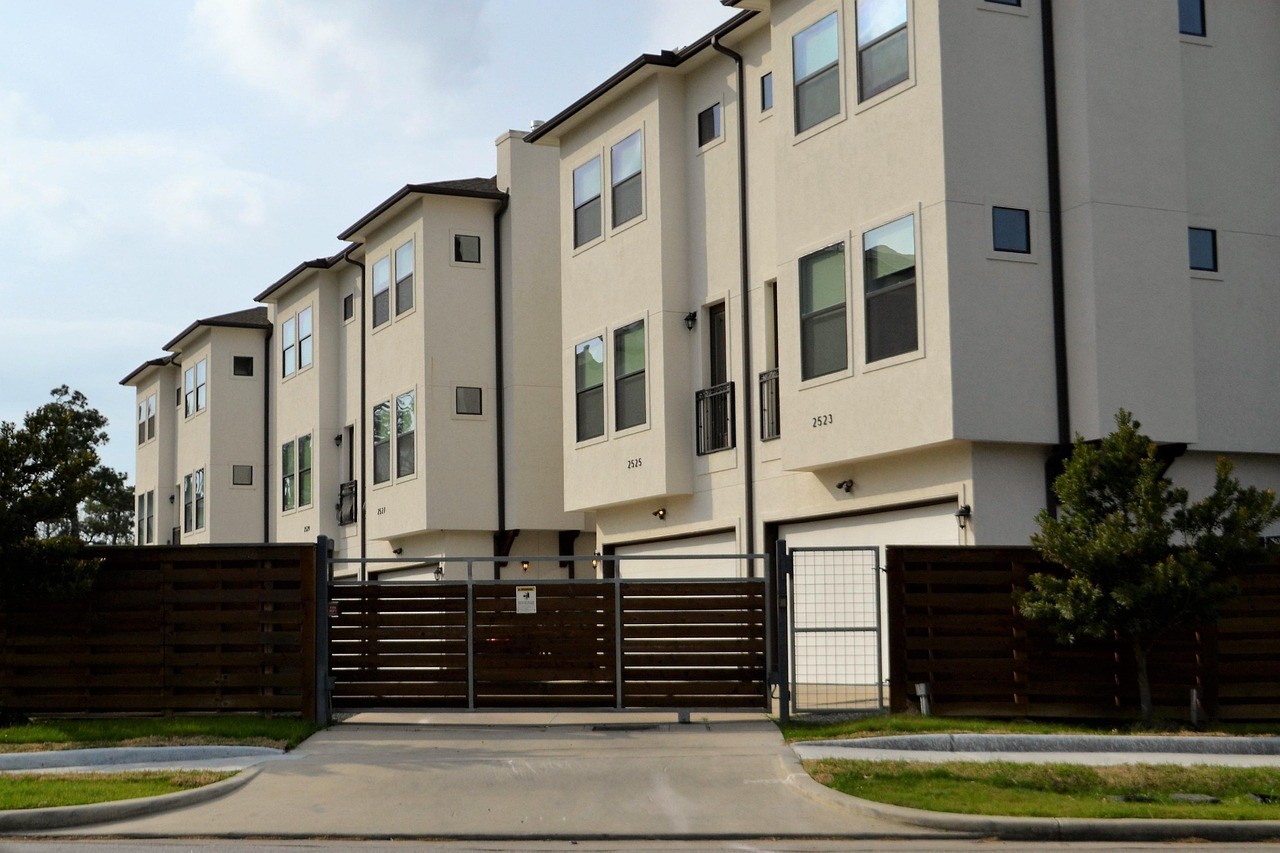
For owners weighing custom build against extending or rebuilding what's already on the block, the framework is in Knockdown Rebuild vs Renovation in Victoria 2026. For developers working at multi-residential or townhouse scale, Multi-Residential Development Costs in Victoria 2026 walks through the same lenses applied to per-dwelling economics.
The work is varied. The standard isn't.
Built with care.
Gidaya Group.