Multi-Residential Development Costs in Victoria 2026 — Real Per-Dwelling Numbers
What townhouse and multi-residential development actually costs per dwelling in Victoria in 2026 — by structure, density, and finish tier.
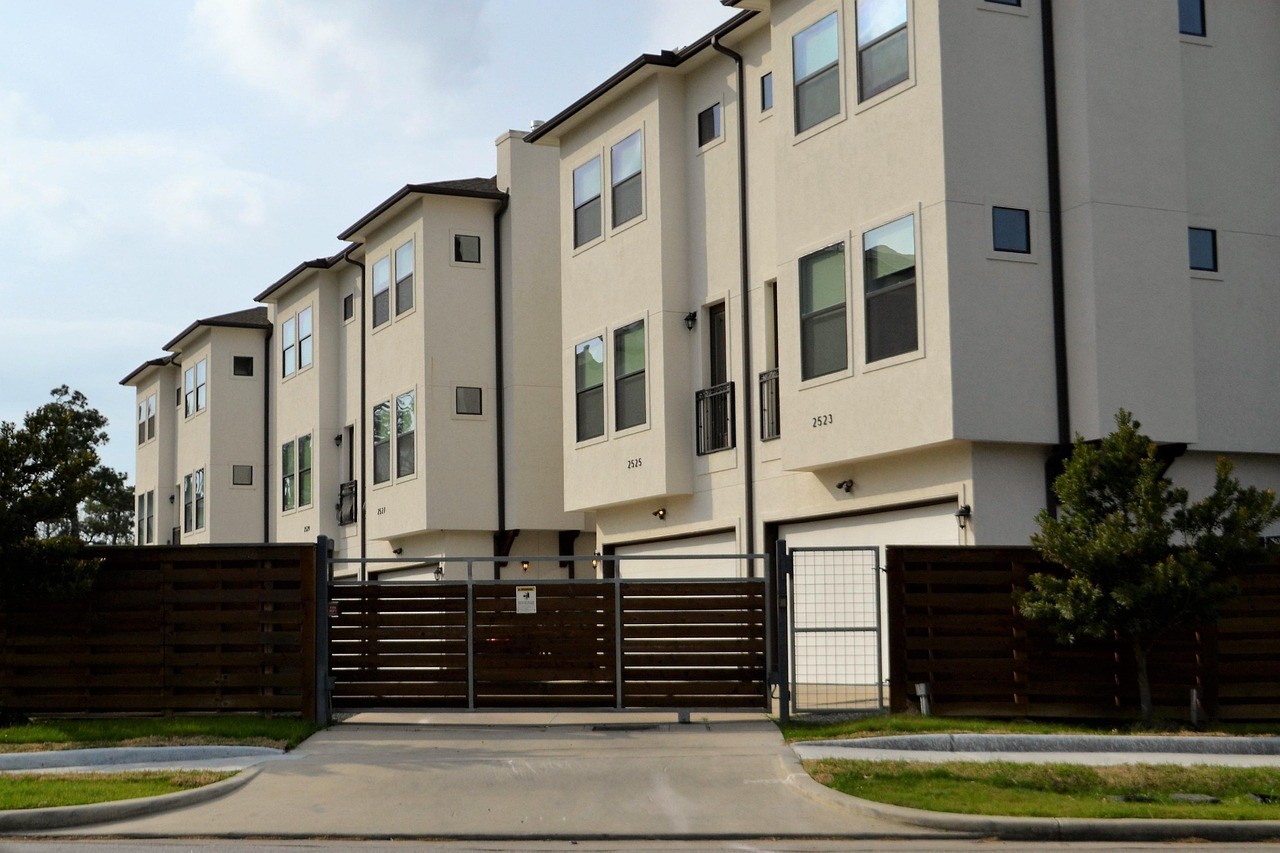
Multi-residential development in Victoria in 2026 separates into three distinct cost bands depending on the build form. Townhouses on a single lot. Walk-up apartment blocks of four to twelve dwellings. Larger apartment buildings with lift cores. Each band has a different cost per dwelling, a different planning runway, and a different finance shape. Walking through them with real numbers tells the developer where the project actually sits.
We've worked across both single-lot custom-home work and multi-residential developments. The honesty owed to a developer client is that the numbers a builder gives you matter much less than the line items behind those numbers. Below is the operational breakdown.
Band one — townhouse developments on a single lot (2 to 6 dwellings)
The most common form of multi-residential development in Victoria. Two-storey or three-storey townhouses, typically 130 to 220 square metres each, built side-by-side on a subdivided lot.
Per-dwelling cost in 2026. $5,000 to $7,500 per square metre at the median tier. A 180-square-metre townhouse runs $900,000 to $1,350,000 in build cost.
What drives the spread. Site complexity, basement parking, retained-wall work between dwellings, finish tier, and structural transfers. A four-townhouse development on a flat block in Carnegie with surface parking and a mid-tier finish runs at one rate. A four-townhouse development on a sloped block in Coburg with shared basement parking and a premium finish runs at another rate, often 20 to 30 percent higher.
Planning runway. Three to nine months from concept to permit, depending on council and any objections. Inner Melbourne councils run longer. Outer councils run shorter.
Construction timeline. 12 to 18 months for a four-townhouse development. The first dwelling takes proportionally longer; the next three benefit from process efficiency on the site.
Finance shape. Most townhouse developers fund through a residential development loan with progress drawdowns at slab, frame, lockup, and completion. The bank wants a quantity surveyor's report at each stage and an as-sold valuation at completion.
Band two — walk-up apartment blocks (4 to 12 dwellings)
Three-storey apartment blocks with no lift, common stair access, basement or undercroft parking, and shared services to each dwelling.
Per-dwelling cost in 2026. $5,500 to $8,500 per square metre depending on finish tier and basement complexity. A typical 90-square-metre two-bedroom unit in a walk-up runs $500,000 to $750,000 in build cost.
What drives the spread. The basement carpark is the largest single cost variable. Engineered retaining walls, drainage, ventilation. A 12-dwelling walk-up with a basement carpark for 14 cars routinely runs an additional $700,000 to $1,200,000 above the dwelling-level numbers.
Planning runway. Six to twelve months. Walk-up apartments attract more rigorous planning scrutiny than townhouses, especially on amenity, overshadowing, and traffic.
Construction timeline. 18 to 24 months for an 8 to 12-dwelling walk-up. The basement and ground-floor structure are the long-pole items
Finance shape. Commercial development loan or specialist development finance. Pre-sale requirements typically 50 to 70 percent before construction finance draws down.
Band three — larger apartment buildings with lift cores (12+ dwellings)
Four-storey-plus apartment buildings with lift access, central common areas, basement carparks of 20+ bays, and BCA Class 2 compliance.
Per-dwelling cost in 2026. $6,500 to $11,000 per square metre depending on amenity tier, structural complexity, and BCA fire-engineering requirements.
What drives the spread. Lift core, fire-engineering, accessibility compliance, common-area finishes, and the basement carpark. The fire-engineering report alone shapes a meaningful share of the structural cost.
Planning runway. Nine to eighteen months. State-significant or contentious-site projects can run longer.
Construction timeline. 24 to 36 months for a 30 to 60-dwelling building. The lift cores and fire-rated structures dictate the program.
Finance shape. Commercial development finance with mandatory pre-sale ratios, quantity-surveyor monitoring, and often a senior-mezzanine debt stack.
Where developers consistently underestimate
The four cost lines that move from "reasonable" to "trouble" most often.
Site cost. Multi-residential sites usually have planning conditions that add to site cost. Shared-stormwater detention, contribution to council infrastructure, council-approved tree retention. Each of these can add $30,000 to $200,000 per project.
Basement parking. Underestimated almost universally. The cost runs at $35,000 to $60,000 per car bay including the structural retaining work. Add it dwelling by dwelling.
Common-area finishes. The lobby, the stair, the lift, the corridor flooring. Developers often spec these at investment-tier and end up with units that show cheap because the common areas read cheap. Owner-occupier-grade common areas cost more and lift the per-dwelling sale price more than they cost.
Defects-liability provisioning. Multi-residential developments carry longer defects-liability periods than custom homes. Plan for a 12 to 24-month tail of warranty and defect-resolution work.
Choosing the right build form for the lot
The right build form for any given lot is rarely a single answer. The lot zoning, the overlays, the corner-vs-mid-block status, the orientation, the slope, and the local market all shape the answer. A 1,200-square-metre lot zoned General Residential Zone 1 with no overlays and a north-facing rear in a $1.5M-median suburb is one project. The same-size lot in a $700K-median suburb with a heritage overlay is fundamentally a different project.
The framework for evaluating the lot before committing to a build form is in Townhouse Development on a Corner Block in Melbourne 2026. For developers weighing multi-residential against a single-lot custom home, The Real Cost of a Custom Home in Victoria 2026 walks through the comparable economics on the residential side.
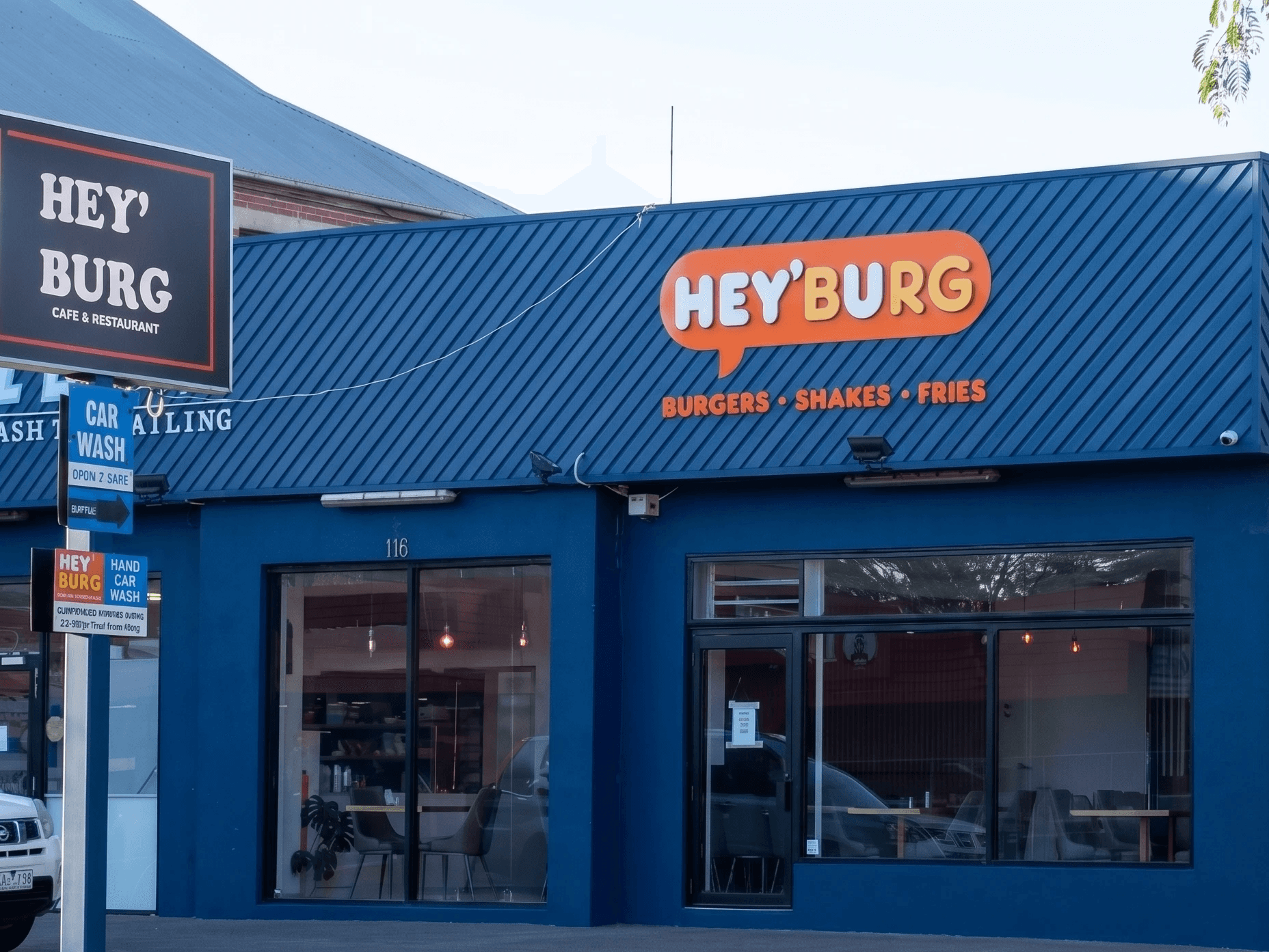
For developers crossing into mixed-use or commercial, Choosing a Commercial Builder in Victoria walks through the criteria that separate residential builders from commercial-capable builders. Project Heyburg is our first commercial fit-out reveal and shows the shape of the work on the commercial side.
How we run the early conversation
The first meeting on any multi-residential project is a feasibility conversation. Lot, zoning, overlays, build form options, per-dwelling costs across the three bands, planning runway estimate, finance shape, target margin. From that meeting we either confirm the project is worth a full feasibility study or we name what's missing for the project to be viable. Either outcome is better than spending six months on a development that doesn't pencil.
The work is varied. The standard isn't.
Built with care.
Gidaya Group.