Planning Permit Versus Building Permit in Victoria 2026 What Comes First
What each permit does in Victoria in 2026, who issues it, when each one is required, and the approval mistake that quietly slows good projects.

Most permit conversations in Victoria become messy for one reason. People use the word permit as if it means one thing. It does not. A planning permit and a building permit solve different problems, come from different authorities, and happen at different points in the project.
If you blur them together early, the project usually pays for it later.
The short version is plain. A planning permit is about whether the proposed use or development is allowed on the land. A building permit is written approval from a registered building surveyor that the approved plans and specifications comply with building regulations and that building work can start.
If a planning permit is required, it has to come first.
The practical answer matters more than the label. The planning permit tests whether the brief fits the site. The building permit tests whether the documentation is complete enough, coordinated enough, and compliant enough to build from.
What a planning permit is actually doing
A planning permit is not construction approval. It is usually an approval from the local council about land use and development.
This is the permit that deals with real site questions. Setbacks. Overlooking. Height. Neighbourhood character. Subdivision. Overlays. Siting. Whether the proposal is supportable on that block in that location.
That is why planning is often the first real stress test of the brief. A site with a clean planning pathway behaves one way. A site affected by heritage, tighter residential controls, or a more ambitious development outcome behaves another.
If you are weighing up whether to keep the existing home or start over, this is often where the decision becomes less emotional and more procedural. That is part of why knockdown rebuild versus renovation in Victoria 2026 is not just a design conversation. It is often a permit path conversation as well.
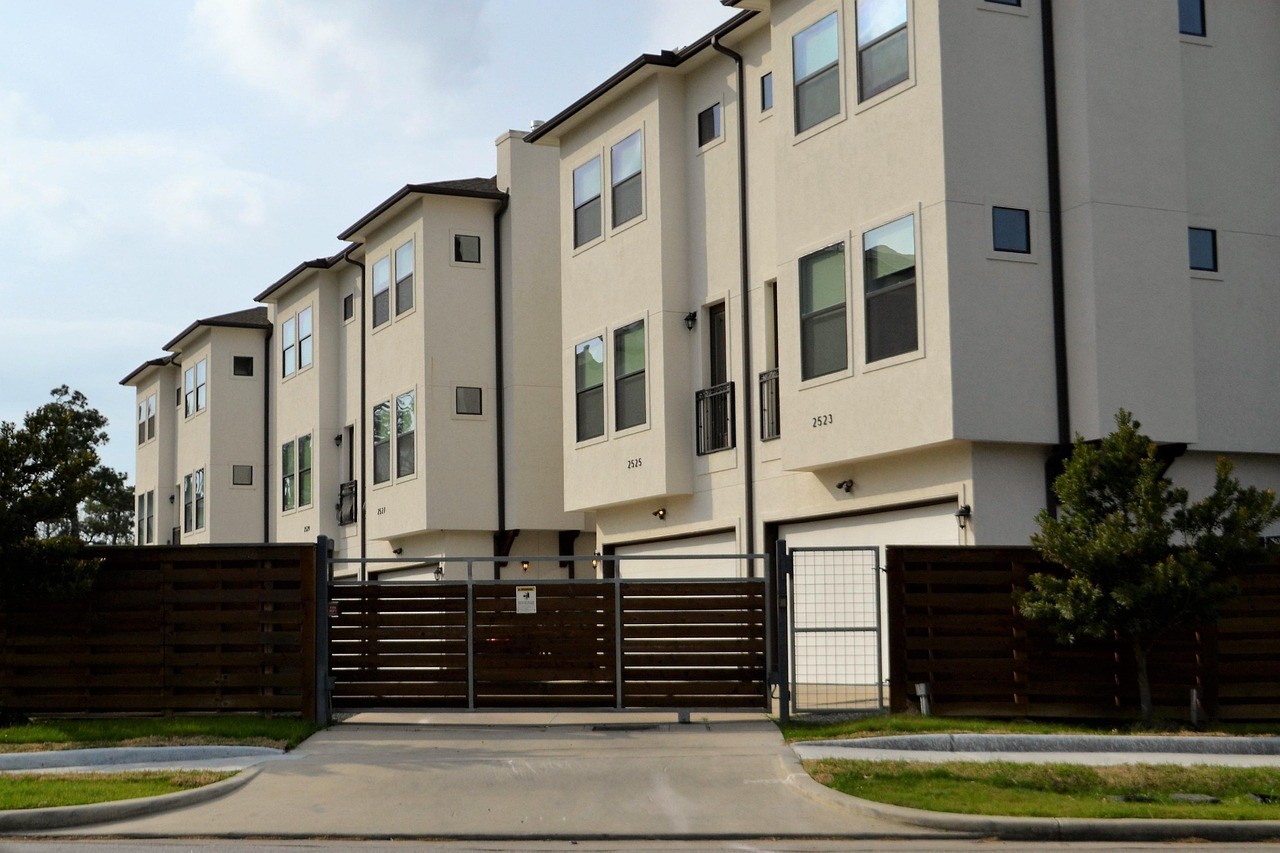
For townhouses, dual occupancies, and small development work, planning usually becomes the real gate. Before anyone gets carried away with facade ideas or finish schedules, the site has to support the yield you are chasing. Strong projects do not treat planning as a form at the end. They treat it as feasibility at the beginning.
What a building permit is actually doing
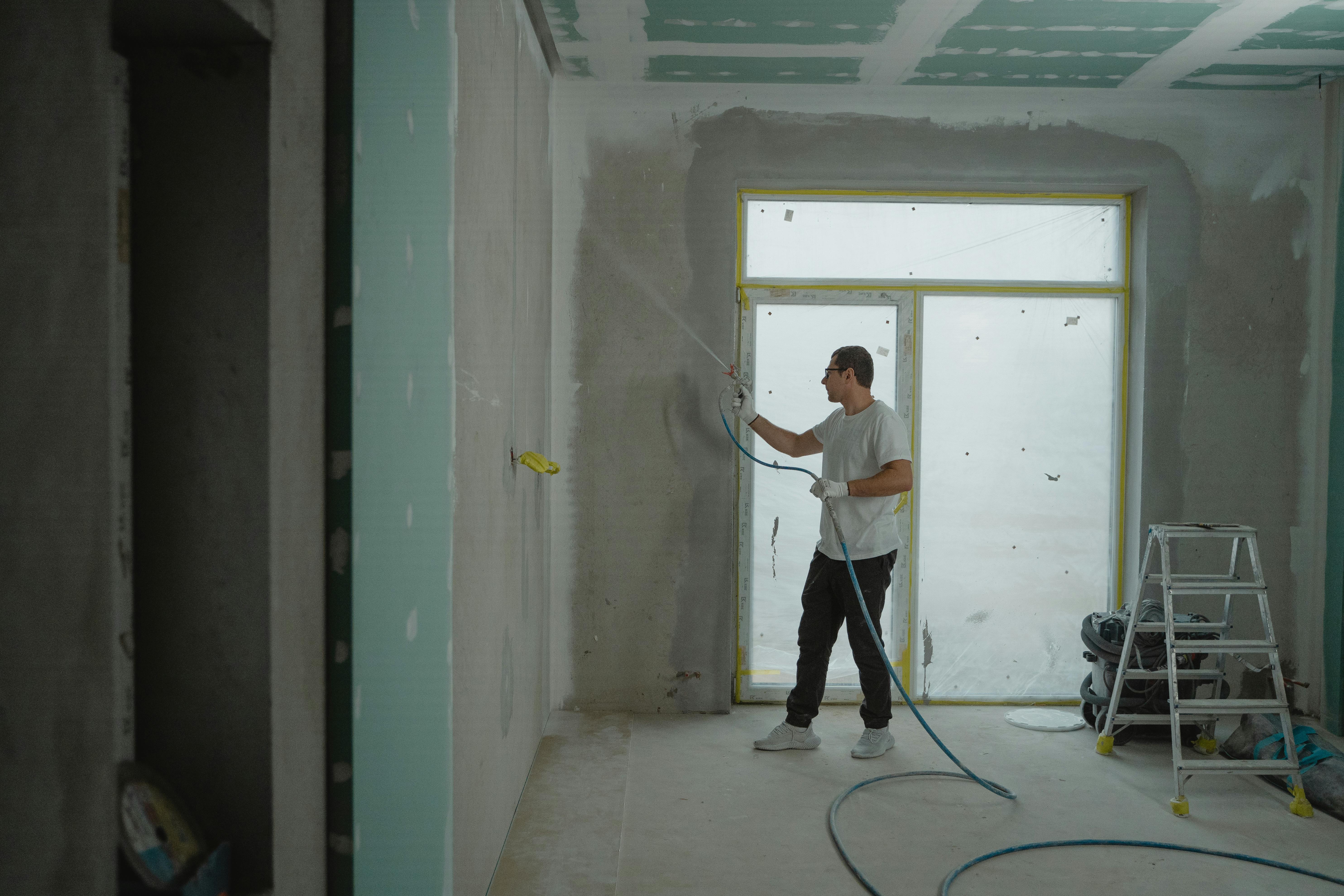
A building permit is different. It is written approval from a registered building surveyor. It confirms that the approved plans and specifications comply with building regulations and that building work can begin.
In practice, that means the building permit is checking the technical integrity of the job. Structural adequacy. Health and safety. Amenity. Energy efficiency requirements. Foundation information. Soil conditions. Whether the drawings and specifications are resolved enough to assess properly.
This is where incomplete documentation starts getting expensive. If the plans are still moving, if the specification is full of soft decisions, or if consultant inputs are arriving out of sequence, the permit stage does not feel like a clean approval step. It feels like the project is still being designed under time pressure.
That is also why cost conversations get distorted when they start too early. Owners often ask for a hard build number while the permit path is still unresolved and the drawings are still changing. The cleaner lens is the one set out in the real cost of a custom home in Victoria 2026. Cost is not just a square metre question. It is also a documentation quality and timing question.
Which approval comes first
If the project requires a planning permit, the planning permit comes first. Then the building permit follows.
If the project does not require a planning permit, the path can move straight toward the building permit once the design, engineering, and specifications are sufficiently resolved.
That sequence matters because planning approval can change the design. If council conditions alter setbacks, height, glazing, siting, materials, or the way the building addresses the street, those changes have to flow through the documentation before the building permit package is actually ready.
Trying to shortcut that sequence usually creates one of two bad outcomes. Either the team documents and prices a version of the project that does not survive planning unchanged, or the permit package gets rebuilt after council feedback and everyone pays twice in time.
Who is actually responsible
This is the part many owners hear too late. Even if your builder, architect, designer, or draftsperson is helping obtain plans and permits, the owner still carries the obligation to make sure the permits are actually obtained.
That responsibility should be stated clearly in writing. If someone else is applying for the building permit on your behalf, there should be written authority for them to do it. Read the application. Know what you are authorising. Do not sign casually because the form arrived at the wrong moment in the week.
There is one more point that matters. A builder cannot appoint a private building surveyor on your behalf. They can recommend one. They can work with one. The appointment itself is yours.
Where projects usually lose time
The first delay is treating permits as paperwork instead of a design input.
The second delay is trying to move into permit work with an incomplete brief. If the layout, envelope, consultant advice, and material direction are still shifting, the drawings are unstable. That makes the approval process unstable.
The third delay is owner builder thinking without owner builder discipline. In Victoria, signing permit paperwork as an owner builder is not a minor administrative choice. If that path is not genuinely intentional, it should not be treated lightly.
The fourth delay is confusing a building surveyor role with contract quality control. The surveyor checks regulatory compliance and required inspection stages. That is not the same thing as checking whether every item promised in the contract has been delivered to the standard the owner expected. That same distinction sits underneath how to compare builder quotes and not get burnt. Regulatory approval and commercial clarity are not the same protection.
How this changes by project type
For a custom home, the planning question is usually about the site and the envelope. The building permit question becomes about technical completeness and buildability.
For an extension or renovation, the permit path can look simple until the existing house starts colliding with the new work. Existing conditions, site constraints, and partial interventions can make a small project procedurally untidy very quickly.
For a property affected by heritage controls, planning risk rises immediately. In those cases, building on a heritage overlay in Melbourne is not a side issue. It is often the issue that decides how realistic the brief is.
For a shop, office, hospitality space, or other commercial fit out, the same sequencing discipline still matters. The planning question may involve use, parking, signage, access, trading impact, or existing approval conditions. The building permit question then becomes about safe construction, services, exits, fire safety, accessibility, and whether the documentation is ready for a surveyor to assess. That is why commercial fit outs in Victoria 2026 should be treated as an approval pathway conversation as well as a budget conversation.
For a townhouse, duplex, or broader multi residential outcome, planning discipline matters even more because feasibility depends on what the site can actually yield. If the brief assumes a development outcome the planning framework will not support, the project is upside down before the building permit drawings are even complete.
The sequence that causes the least pain
The cleanest process usually has five moves.
First, test the brief against the site before spending heavily on resolved documentation.
Second, determine whether a planning permit is required and where the real council risk sits.
Third, resolve the design to the point where the drawings can stop moving.
Fourth, appoint the right building surveyor properly and move the building permit package through with clear written authority where someone else is acting for the owner.
Fifth, treat mandatory inspections, the certificate of final inspection, or the occupancy permit as part of the delivery program from the beginning, not as a box to find at handover.
None of that is glamorous. It is just the difference between a project that feels controlled and one that always seems to be recovering from a misunderstanding three weeks earlier.
Where Gidaya tightens the process
The jobs that move best are usually the ones where planning logic, design logic, cost logic, and permit logic stay in one conversation instead of being thrown across separate silos.
That does not mean speed is the goal on every project. Some projects need more care. Heritage sites need care. Ambitious planning outcomes need realism. Complex homes need decisions to mature properly. There is a real difference between a project taking time because it is sophisticated and a project taking time because the approval path was misunderstood at week one.
If you are trying to work out whether your site needs planning approval, whether your documentation is ready for building approval, or whether the brief itself is still ahead of the site, that is the conversation to have first. It is almost always cheaper to clarify the permit path before the project starts forcing clarity on its own.