Project Neville, Heritage Renovation in Carnegie
Description
If your Carnegie home sits under a heritage overlay, the facade is not the real design problem. Project Neville tests the question Gidaya Group works through on every heritage-overlay renovation: what the street keeps seeing, what stays as it is, and how the home behind that front wall can still change to suit how you actually live.
If your Carnegie home sits under a heritage overlay, the facade is not the real design problem. Project Neville tests the question Gidaya Group works through on every heritage-overlay renovation: what the street keeps seeing, what stays as it is, and how the home behind that front wall can still change to suit how you actually live.
Why does a heritage overlay change the renovation decision in Carnegie?
Under Glen Eira, a heritage overlay locks in the parts of a home the street relies on. Roofline, front facade, setback and the materials visible from the footpath are protected before a single sketch is drawn. That is not a design choice up for debate. It is a fixed starting point.
Once that constraint is accepted, the real design conversation can start. For Project Neville, the brief was never about whether the front of the home could change. It could not, and that was clear from day one. The real question was how much freedom sat behind that front wall, and how far the rest of the home could move to match the way the owners actually wanted to live.
A heritage overlay narrows the options early. That is not a loss. It sharpens the brief and moves the conversation straight to layout, light and how the home works room to room.
What did Project Neville keep, and what did it change?
Kept: the street-facing form, the roofline, the facade materials and the setback that let the home read as part of a heritage streetscape in Carnegie. None of that moved.
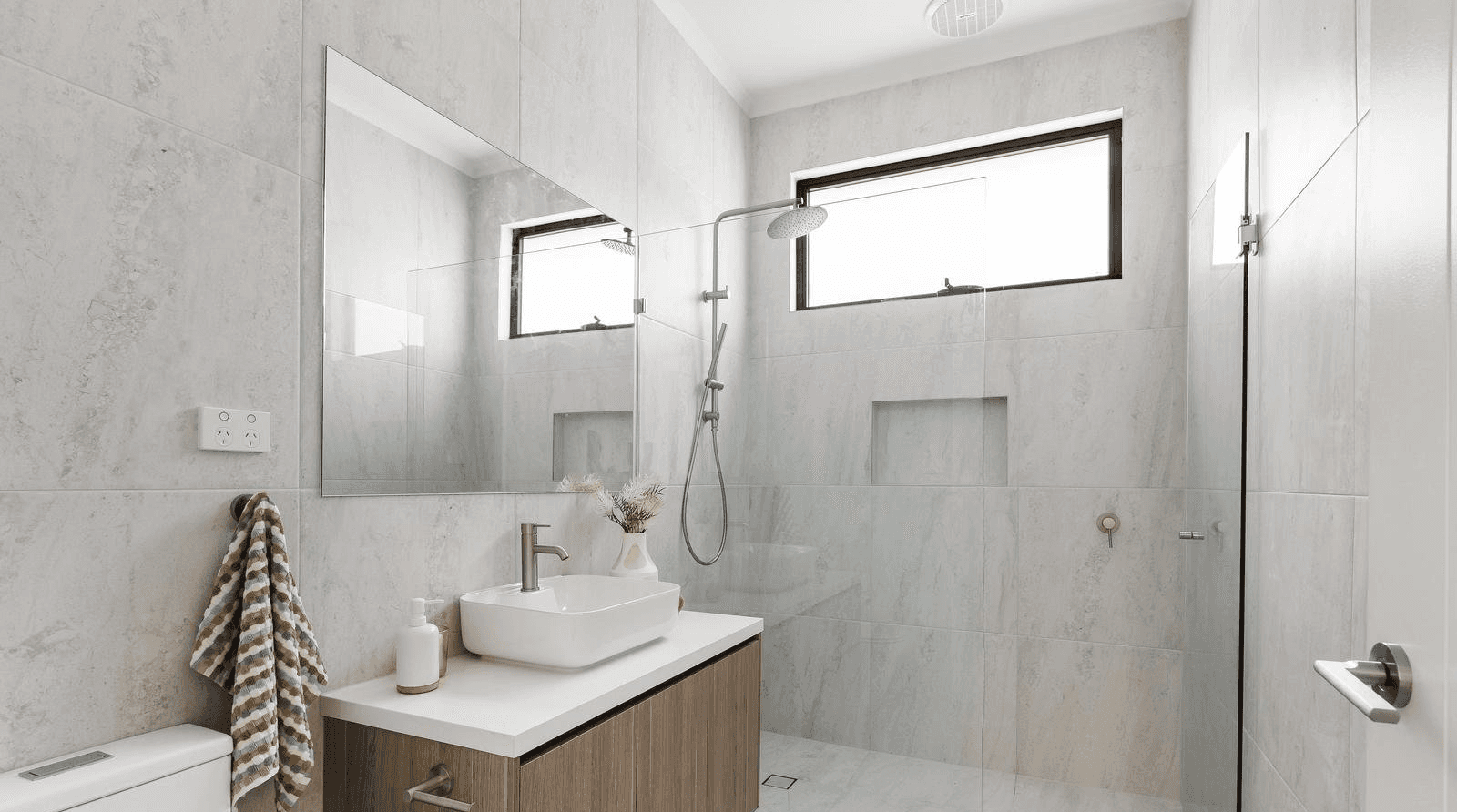
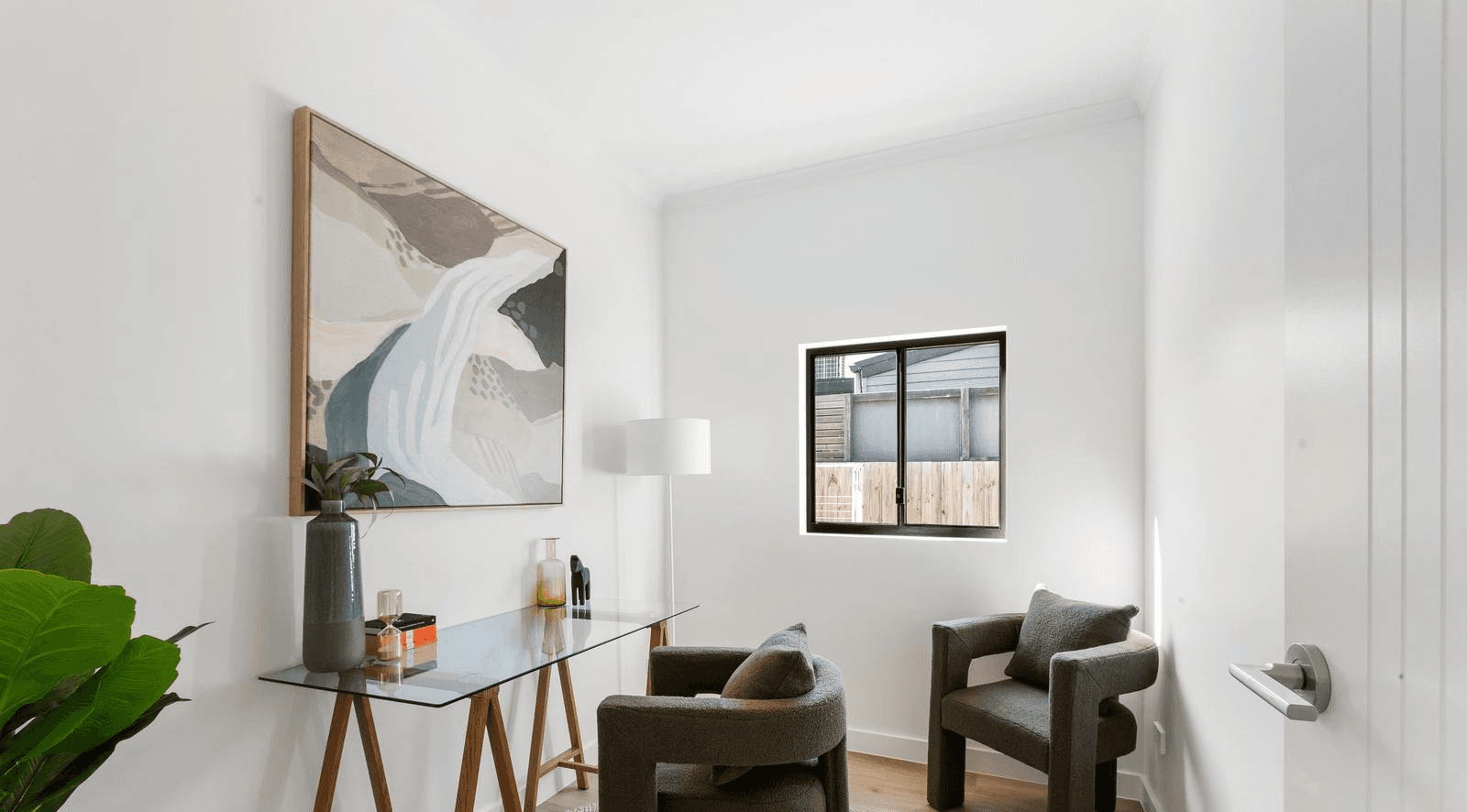
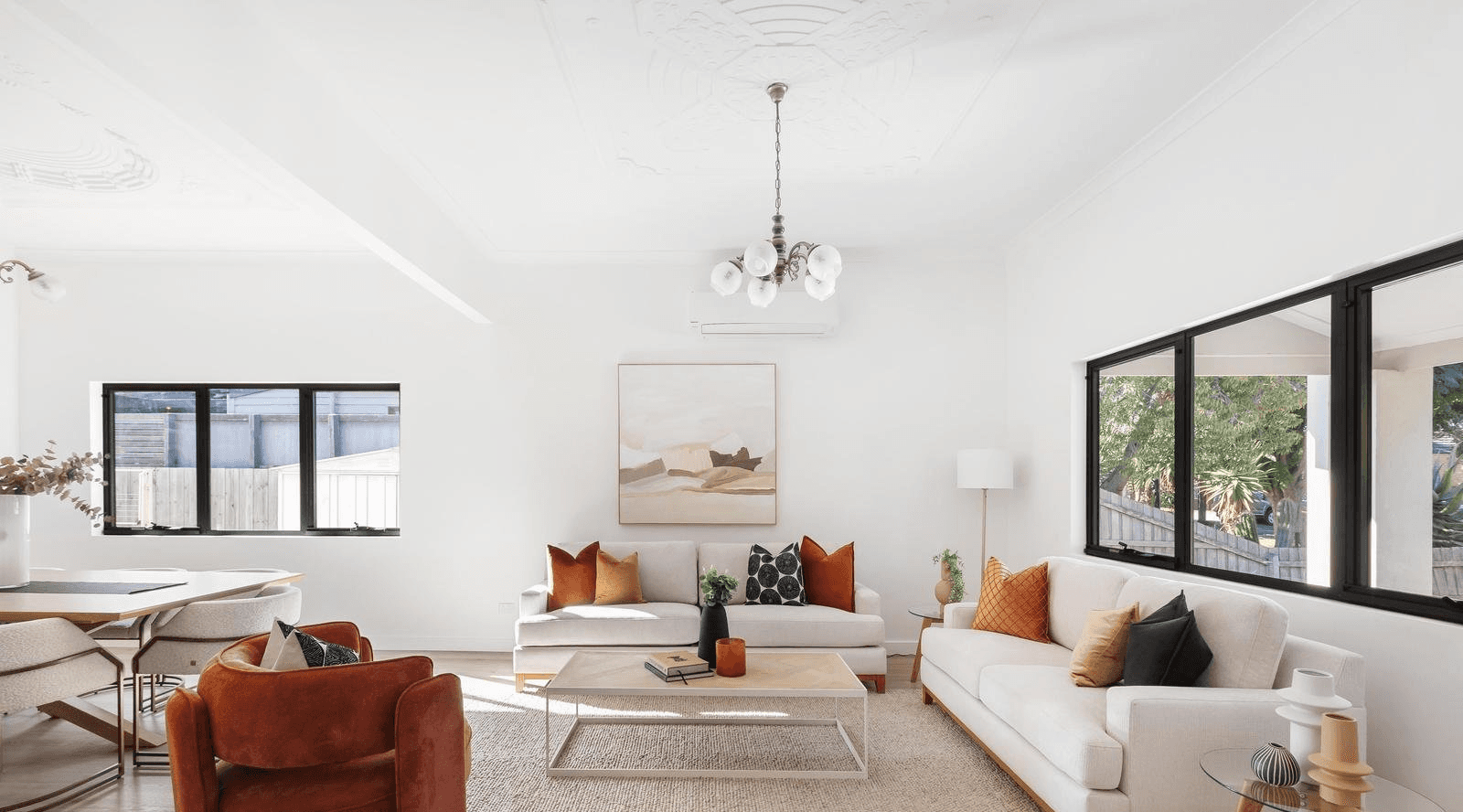
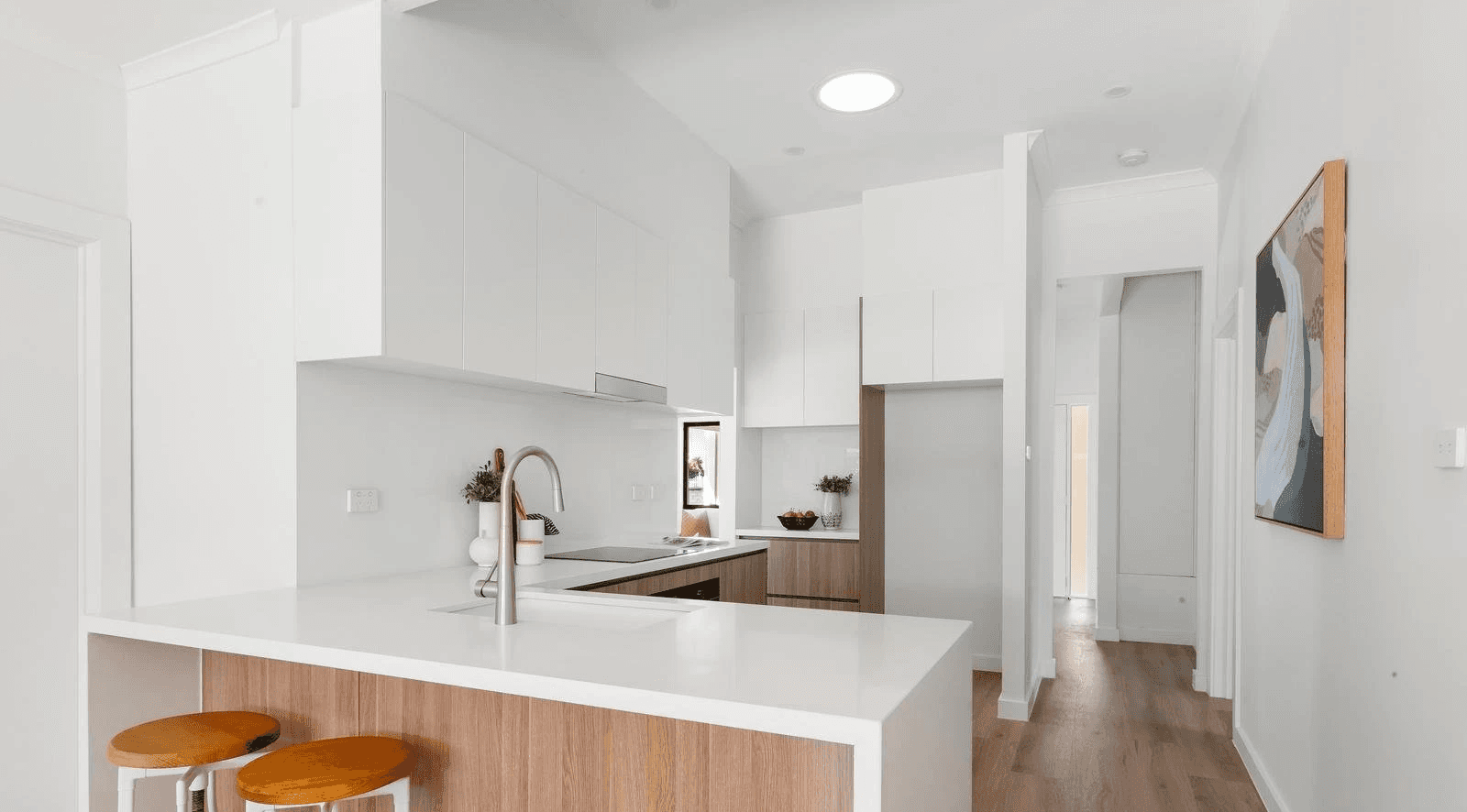
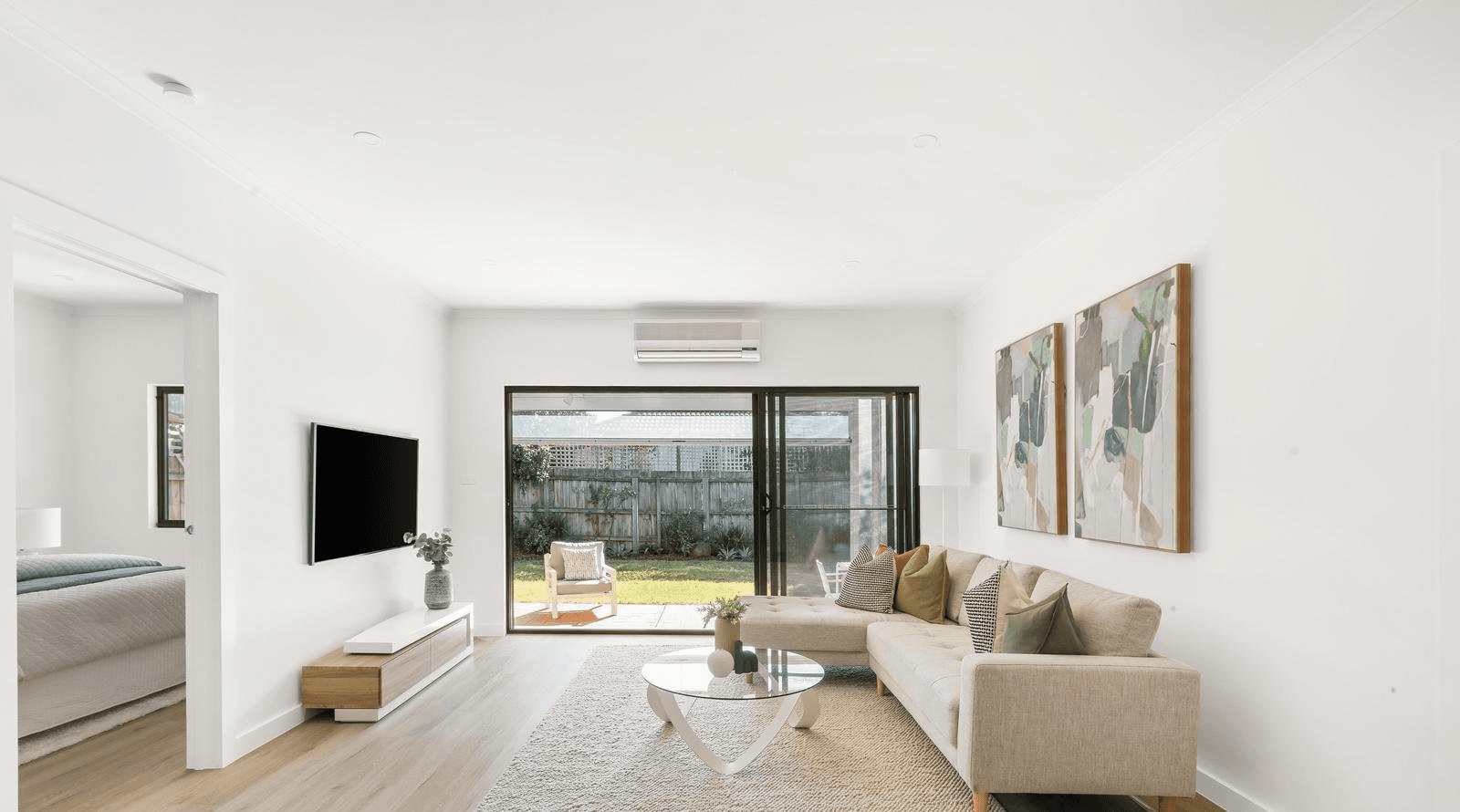
Changed: almost everything behind it. Layout, the flow from the front rooms into daily living space, natural light reaching the back of the block, how the home connects to the garden. Under a heritage overlay, most of the real design freedom sits past the front wall, and that is where a renovation like Neville earns its keep.
Gidaya Group treats a heritage overlay as a filter on where effort goes, not a ceiling on what the home can become. The street stays familiar. The way the home lives does not have to.
What does Neville mean for a similar heritage renovation?
Neville sits alongside renovation work through Project Dunbar in Sunshine, Project Victoria in Preston and Project Kenmore in Hoppers Crossing. All four test the same retain, change or rebuild decision Gidaya Group works through with every owner, with one added layer for Neville: a heritage overlay decides part of the answer before the brief is even written.
For a heritage-affected home, that means testing the constraint early rather than finding it mid-design. It is a useful comparison point for a renovation in Melbourne more broadly, and for owners working through what a heritage overlay allows a home to become.
Frequently asked questions
What type of project is Neville?
Project Neville is a heritage renovation in Carnegie under Glen Eira.
Can I see the cost of Project Neville?
No. Project costs and addresses are not published for any Gidaya Group project.
Why does a heritage overlay matter for this renovation?
It fixes the street-facing form early, so design and construction decisions concentrate on the layout and living space behind it rather than the facade.
What other projects give similar renovation context?
Project Dunbar in Sunshine, Project Victoria in Preston and Project Kenmore in Hoppers Crossing.
Talk through a heritage renovation with Gidaya Group. Read more about the team on About Us or see finished work in the gallery.
Written by the Gidaya Group team. This page is reviewed whenever project details are confirmed. Updated 2026-07-09.